
Introduction
The Department of Electrical and Electronic Engineering was established at the University of Hong Kong in 1961. The field of Electrical and Electronic Engineering encompasses many exciting technologies such as electronics, computer systems, mobile communications, power systems, medical engineering, information systems, etc. which have been among the fastest growing and most challenging technologies that enable the development of the modern information-based society.
The Department has a wide range of research activities, grouped under five areas, namely (i) Biomedical Engineering, (ii) Communications and Networking Systems, (iii) Electronics and Optics, (iv) Energy Systems and Electric Vehicles, and (v) Signal Processing and Control Systems. There is also interdisciplinary research with other departments throughout the University. Our research activities are supported by government and industry research grants. Apart from basic research, our colleagues have been actively engaged in applied research and technology transfer.
Our research group, OMEGA HKU (Optical Management and Engineering Group @ HKU), advances the technological frontier of photonics systems and photonic signal processing technology to bring synergy among different applications. The basic premise is that with the photonic signal processor (PSP) we have proposed and demonstrated, the goal of this kind of platform is not simply to advance the state-of-the-art optical communication technologies, but to promote different research fields beyond. Along this theme, we have explored the applications of this kind of platform in the fields of microwave photonics, and recently biophotonics such as optical imaging systems; starting from fiber-based optical parametric oscillator (OPO) and then breathing laser as inertia-free swept source (BLISS). These novel photonic devices have been shown to be promising for different biomedical imaging technologies, such as ultrafast time-stretch microscopy, optical coherence tomography (OCT) and coherent anti-Stokes Raman scattering (CARS) spectroscopy. In addition to that, our expertise in the fiber nonlinearities equipped OMEGA HKU in proposing new imaging/measuring modalities, such as wavelength-encoded tomography (WET) and parametric spectral-temporal analyzer (PASTA), which also find interesting applications in capturing ultrafast dynamics and will further flourish in the near future.
(Feb 26, 2025) Our paper "Intelligent soliton molecules control in an ultrafast thulium fiber laser" is featured on the Jornal cover of Advanced Photonics Nexus! Find More
Research Directions

Optical Nonlinearity
Optical signal processing by optical parametric process
Temporal imaging system
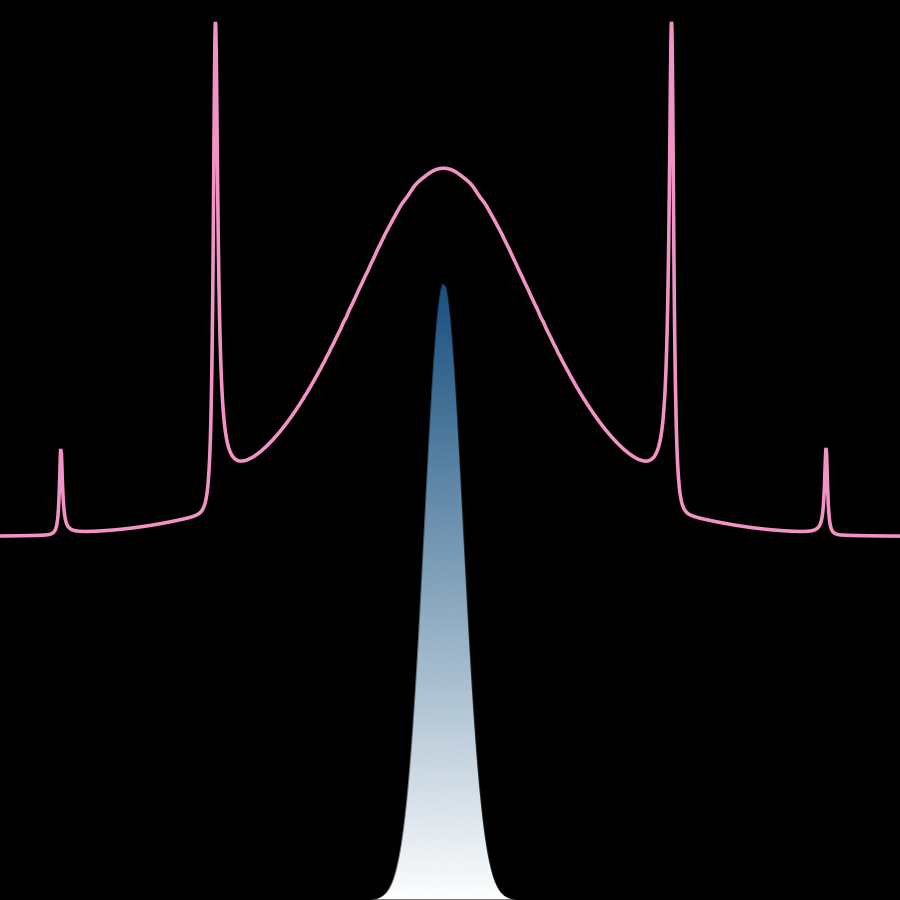
Fiber Lasers
Broadband mode-locked lasers
Laser dynamics
Optical frequency comb (OFC)
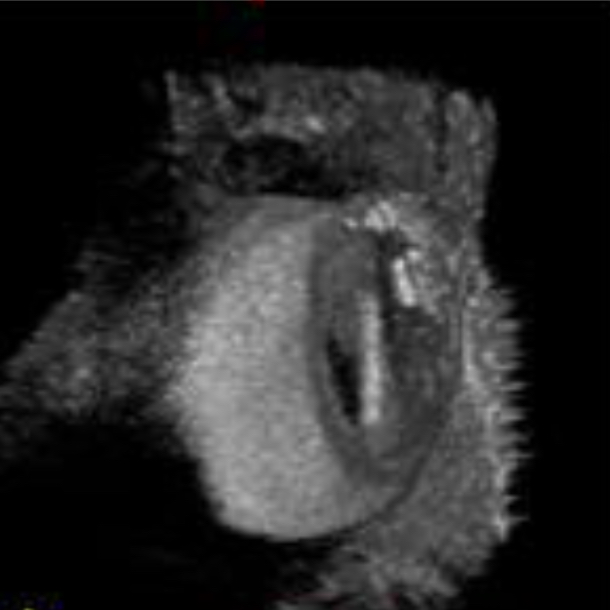
Linear Imaging
Optical Coherence Tomography (OCT) for clinical and industrial applications
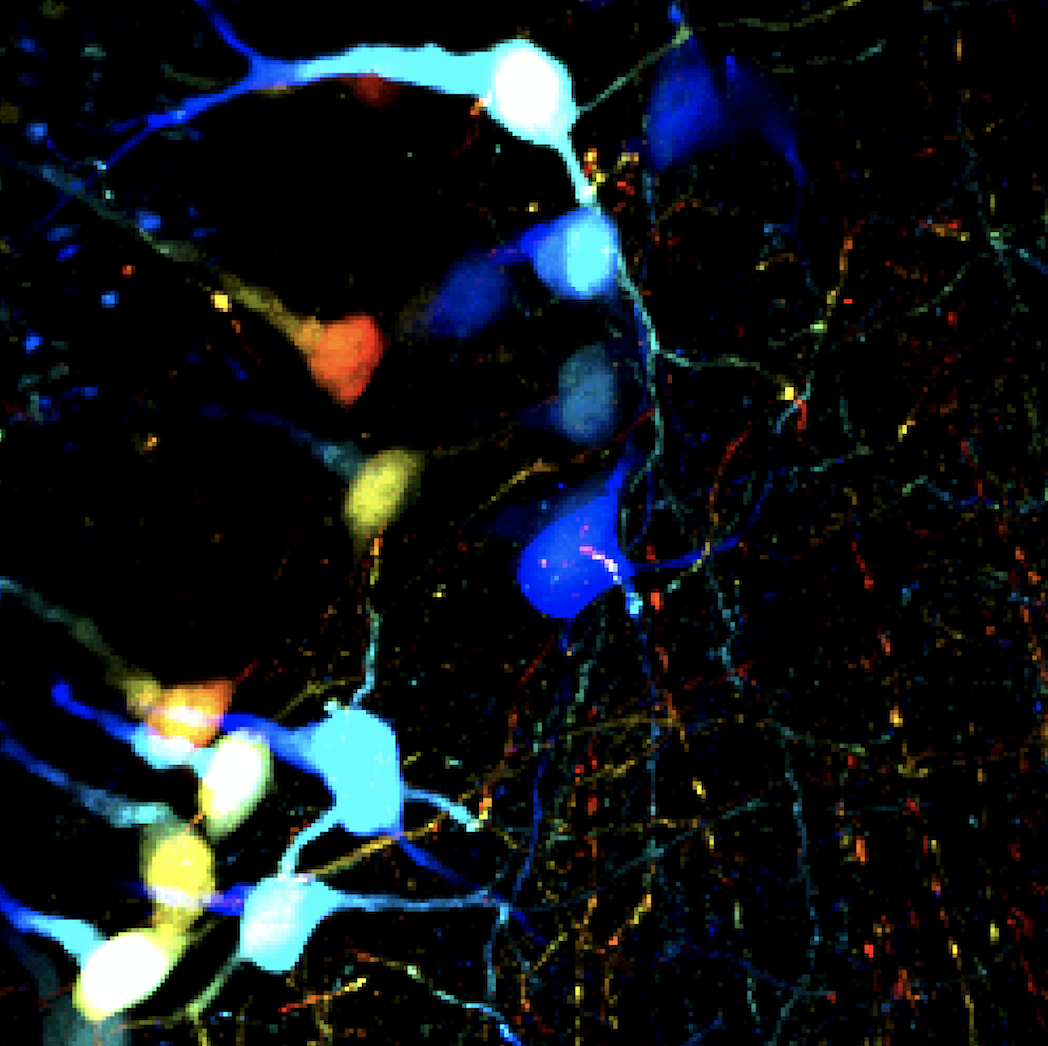
Nonlinear Imaging
Coherent anti-Stokes Raman scattering (CARS)
Second harmonic generation (SHG)
Two-photon excited fluorescence (TPEF)